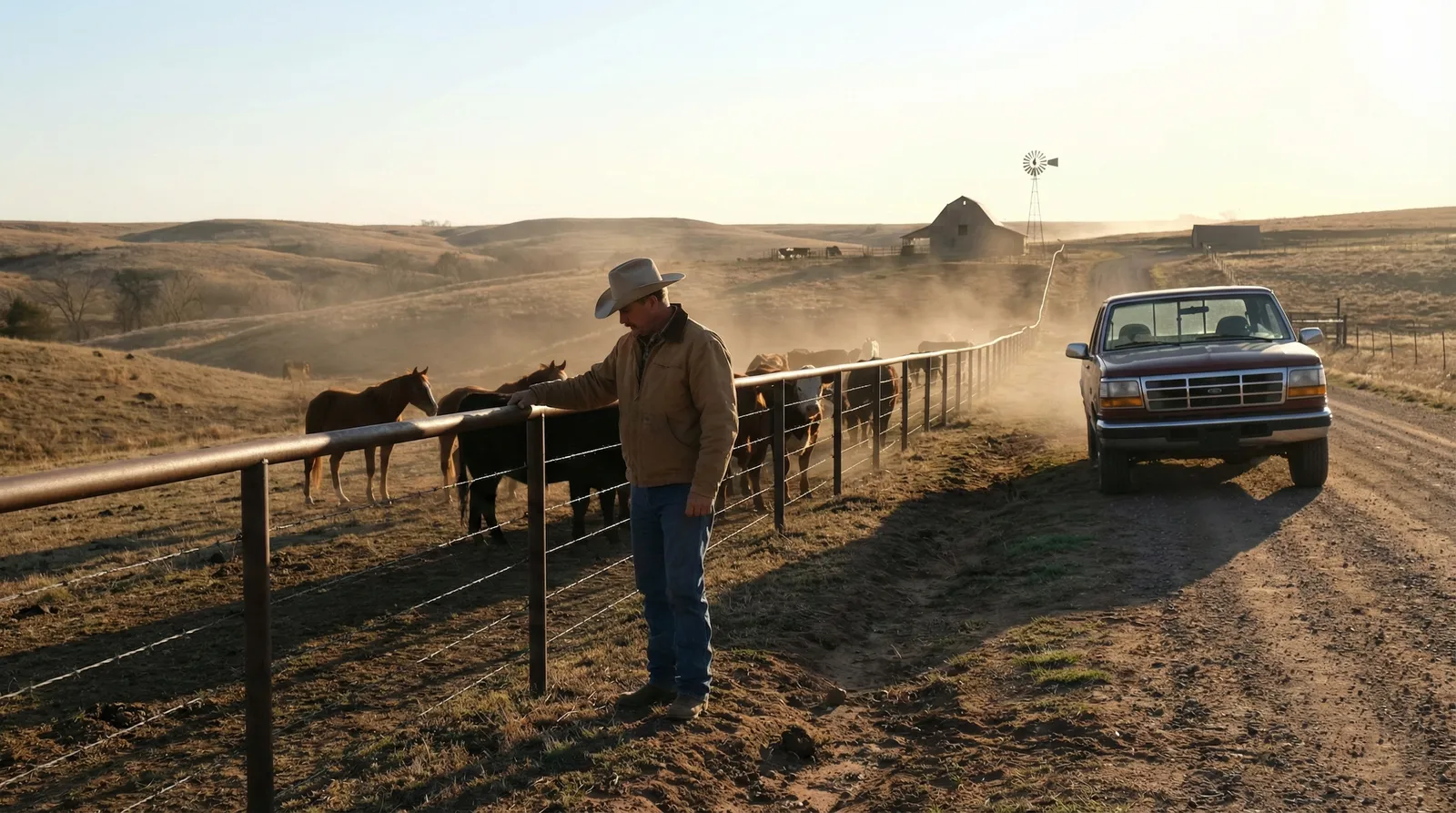
Farm Fence Installation in Tulsa
Request an Estimate (918) 918-4647Farms need fences that work. Not pretty fences. Not fences designed to impress the neighborhood association. Fences that actually contain livestock, define boundaries, and hold up under use.
Cattle push. Horses lean. Goats test every weakness. Farm fencing has to stand up to animals that weigh more than you do and have all day to figure out the weak points.
We build farm fencing throughout the Tulsa area. Barbed wire, pipe fence, no-climb wire, whatever the application requires. Practical fencing for working land.
What's Included
Farm fence installation includes:
- Property assessment and fence line planning
- Material specification for your livestock and use
- Heavy-duty corner and brace assemblies
- Post setting at appropriate spacing
- Wire or panel installation
- Gate installation for access points
- Final walkthrough
Farm fencing needs to work. We build it to handle what you are containing.
Options and Materials
Farm fence options:
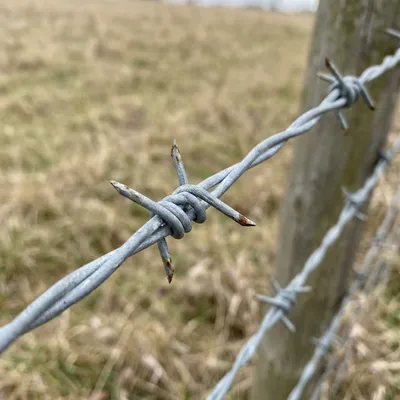
Barbed Wire
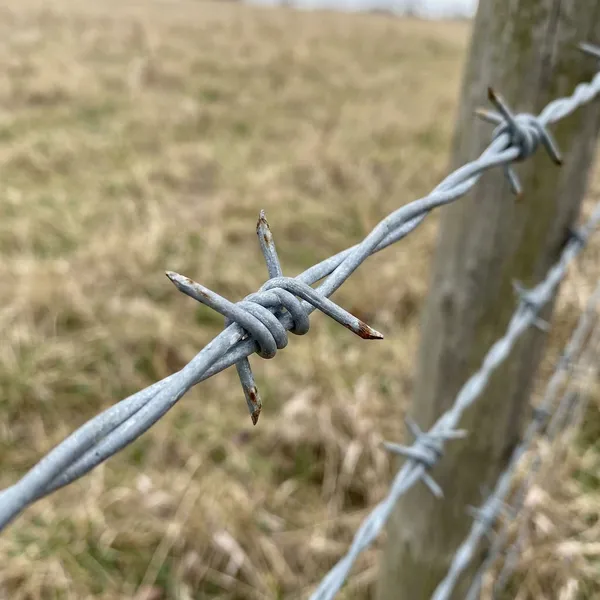
Standard for cattle. Three to five strands depending on livestock. Economical for long runs.
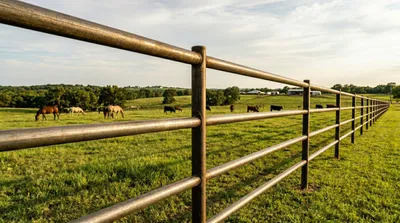
Pipe Fence
Steel panels. Extremely strong. Common for corrals, working pens, and heavy livestock areas.
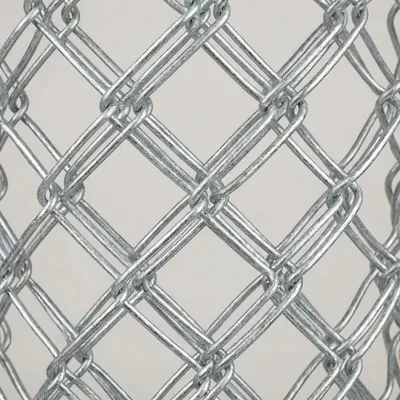
No-Climb Wire
Mesh wire with small openings. Prevents hooves from going through. Safer for horses.
High-Tensile Wire
Smooth wire under tension. Low maintenance, long-lasting. Works for various livestock.
Electric Fence
Training wire to keep livestock from testing fences. Often combined with physical fencing.
What you are containing determines what you need. We match fence type to livestock.
The FenceBee Process
Farm fence installation:
- 1
Assessment
We evaluate the fence line, terrain, and what livestock you are containing.
- 2
Planning
We plan post locations, corner braces, and gate placement.
- 3
Quote
You get pricing based on footage, material, and site conditions.
- 4
Corner and Brace
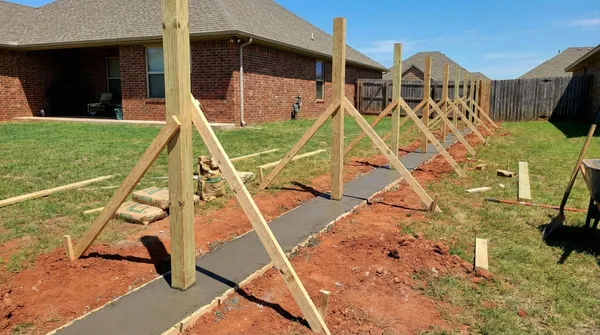
Corner assemblies go in first. These anchor the entire fence.
- 5
Line Posts
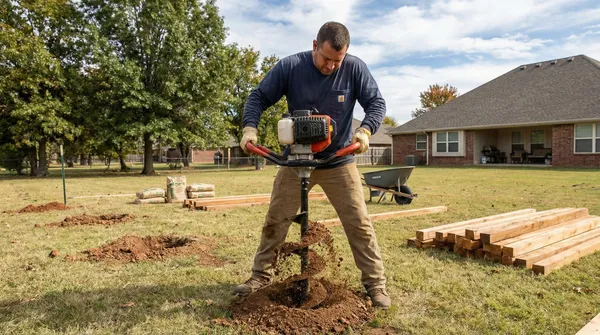
Intermediate posts set along the fence line.
- 6
Wire or Panels
Fencing material installed with proper tension.
- 7
Gates
Gates installed at planned access points.
Timelines and Scheduling
Farm fence timelines depend on project size. Short runs may take days. Large pasture fencing takes weeks.
We can work in phases if needed, prioritizing certain areas first.
Weather affects timeline. We work around conditions but cannot control them.
Pricing Factors
Farm fence costs depend on:
- Total linear footage
- Fence type and material
- Terrain difficulty
- Number of corners and braces
- Gate quantity and type
- Access for equipment
Farm fencing is priced per foot based on type. Large projects benefit from scale efficiency.
Tulsa-Specific Considerations
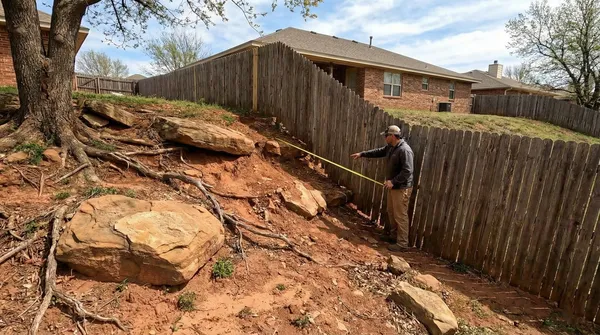
Tulsa area farms deal with varying terrain, clay soil, and Oklahoma weather. We adapt installation techniques to local conditions.
Corner bracing is particularly important in expansive clay. As soil moves, properly braced corners maintain fence tension.
Existing fence removal may be needed. We can handle that or you can clear old fencing before we arrive.
Frequently Asked Questions
What fencing for horses?
No-climb wire or pipe fence are safest. Traditional barbed wire injures horses. We recommend options that prevent leg entanglement.
How many strands for cattle?
Typically four or five strands of barbed wire. The bottom strand low enough that cattle cannot roll under, top high enough they cannot reach over.
Can you add electric?
Yes. Electric wire can be added to train livestock away from fences. Works well combined with physical fencing.
Related Services
Why Choose FenceBee?
Clear, Professional Process
From first call to final walkthrough, you know what to expect at every step.
Respect for Your Property
We treat your yard like our own, with thorough cleanup after every job.
Straightforward Communication
No surprises, no jargon. Just honest answers and clear timelines.
Workmanship You Can Trust
Skilled crews with years of hands-on fencing experience.
Ready to Get Started?
Need fencing for your farm? Contact us to discuss what you are containing and what works for your operation. We build fences that handle livestock.